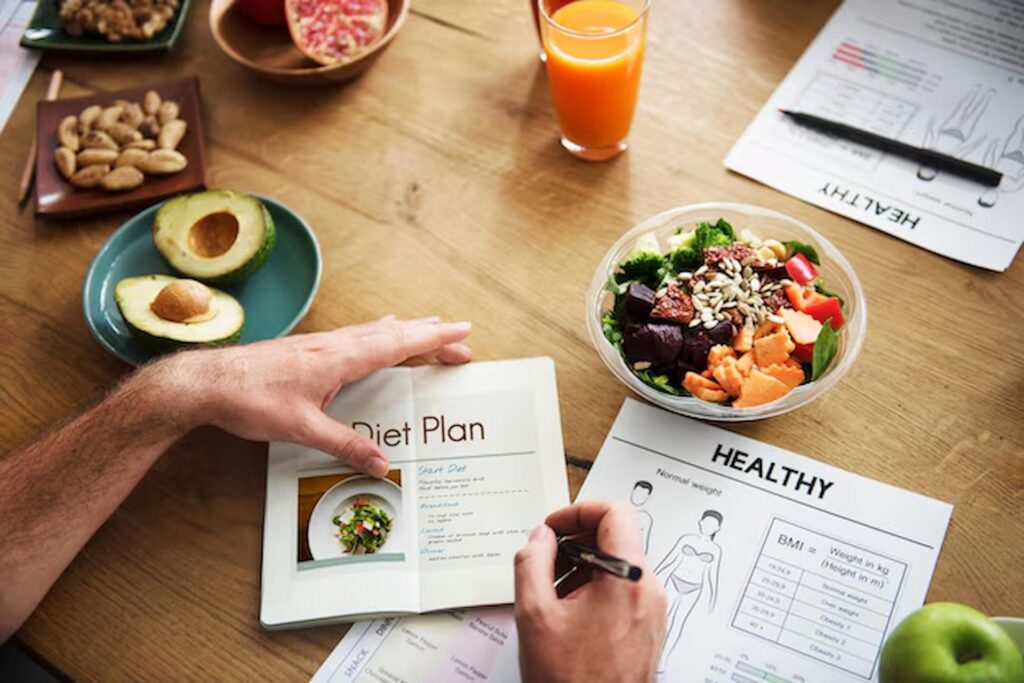
An Overview
The modern wellness landscape is often cluttered with restrictive fads and complicated caloric math, leaving anyone feeling overwhelmed. For many, the word “diet” conjures images of deprivation and social isolation, making long-term success feel like an uphill battle. However, the secret to a sustainable lifestyle isn’t found in a list of forbidden foods, but rather in the subtle shift toward healthy weight management through consistent, manageable habits. By focusing on nourishment rather than restriction, you can achieve your physical goals while maintaining a positive relationship with what you eat.
True vitality stems from understanding how your body utilizes fuel. Instead of viewing food as an enemy to be conquered, it is far more effective to treat it as a tool for energy, cognitive function, and recovery. When we move away from the “all-or-nothing” mentality, we open the door to a more intuitive approach that prioritizes long-term health over short-term fluctuations in scale.
The Power of Food Quality and Composition
One of the most effective ways to manage your weight without a spreadsheet is to focus on nutrient density. Choosing whole foods over highly processed alternatives naturally regulates your appetite. Whole grains, lean proteins, and fibrous vegetables provide the satiety signals your brain needs to recognize when it is full. This “crowding out” method—where you focus on adding the good stuff rather than just removing the “bad”—makes the transition feel like an upgrade rather than a sacrifice.
While real food should always be the foundation of your plan, there are instances where your lifestyle might require a bit of extra support. Busy professionals or those with specific dietary gaps may find that Nutritional supplements can help bridge the gap, ensuring the body receives essential vitamins and minerals even during hectic weeks. However, these should always complement a colorful plate, never replace it.
Mastering the Art of Intentional Eating
Managing your weight is as much about how you eat as it is about what you eat. In our fast-paced society, many of us consume meals while scrolling through emails or watching television, which disconnects us from our internal hunger cues. Developing mindful eating habits allows you to slow down and truly taste your food, which significantly reduces the likelihood of overeating. By paying attention to the textures and flavors of the supplements, you give your digestive system the time it needs to signal the brain that it has reached a state of comfortable fullness.
Practical Strategies for Daily Success
- Prioritize Protein at Breakfast: Starting your day with eggs, Greek yogurt, or a protein-rich smoothie helps stabilize blood sugar and prevent mid-morning energy crashes.
- Hydrate Before You Eat: Often, the body confuses thirst with hunger. Drinking a glass of water twenty minutes before a meal can help you gauge your actual appetite.
- The Half-Plate Rule: Aim to fill half of your plate with non-starchy vegetables like spinach, broccoli, or bell peppers to increase volume without excessive calories.
- Use Smaller Dinnerware: It sounds simple, but using a smaller plate can trick the brain into feeling more satisfied with appropriate portion sizes.
Sustainable Lifestyle Integration
The most effective nutrition tips for weight loss are those that you can actually stick to when life gets stressful. Consistency beats perfection every single time. If you enjoy a piece of dark chocolate or a social dinner with friends, embrace it. The goal is to create a “nutritional bank account” where most of your choices are deposits of high-quality fuel, allowing occasional withdrawals without entering a metabolic deficit.
Focusing on sleep and stress management is equally critical. When you are sleep-deprived, your body produces more ghrelin (the hunger hormone) and less leptin (the fullness hormone). By pairing smart eating with restorative rest, you create a physiological environment where weight maintenance feels natural rather than forced. This holistic view ensures that your progress is not just a temporary phase, but a permanent evolution of your daily life.
Conclusion
Achieving your ideal physical state does not require clinical precision or misery. By prioritizing whole foods, staying hydrated, and listening to your body’s natural signals, you create a sustainable path toward wellness. It is about the cumulative power of small, daily choices rather than the intensity of a temporary fix. When you view nourishment as an act of self-care, the results follow naturally, leading to a vibrant life defined by energy and freedom.